
Choose From the Finest Tree Services Near You
Tna Top Notch Arborist
Request a QuoteFind Tree Services in Your Area
- Tree Services in Montgomery
- Tree Services in Juneau
- Tree Services in Phoenix
- Tree Services in Little Rock
- Tree Services in Sacramento
- Tree Services in Denver
- Tree Services in Hartford
- Tree Services in Dover
- Tree Services in Tallahassee
- Tree Services in Atlanta
- Tree Services in Honolulu
- Tree Services in Boise
- Tree Services in Springfield
- Tree Services in Indianapolis
- Tree Services in Des Moines
- Tree Services in Topeka
- Tree Services in Frankfort
- Tree Services in Baton Rouge
- Tree Services in Augusta
- Tree Services in Annapolis
- Tree Services in Boston
- Tree Services in Lansing
- Tree Services in Saint Paul
- Tree Services in Jackson
- Tree Services in Jefferson City
- Tree Services in Helena
- Tree Services in Lincoln
- Tree Services in Carson City
- Tree Services in Concord
- Tree Services in Trenton
- Tree Services in Santa Fe
- Tree Services in Albany
- Tree Services in Raleigh
- Tree Services in Bismarck
- Tree Services in Columbus
- Tree Services in Oklahoma City
- Tree Services in Salem
- Tree Services in Harrisburg
- Tree Services in Providence
- Tree Services in Columbia
- Tree Services in Pierre
- Tree Services in Nashville
- Tree Services in Austin
- Tree Services in Salt Lake City
- Tree Services in Montpelier
- Tree Services in Richmond
- Tree Services in Olympia
- Tree Services in Charleston
- Tree Services in Madison
- Tree Services in Cheyenne
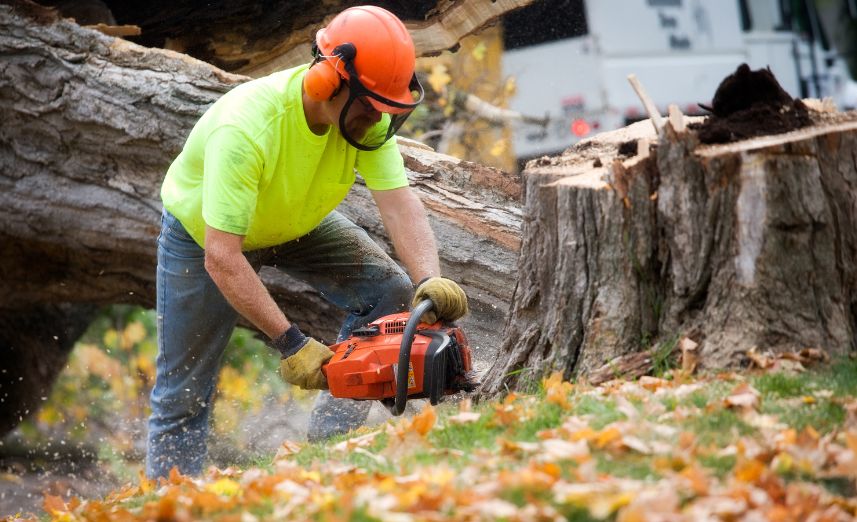
Hire Professional Tree Services & Give The Care Your Tree Needs
Tree services encompass a broad range of specialized tasks aimed at maintaining the health, safety, and aesthetic appeal of the trees on your property. Whether you own a home with a single ornamental tree in the front yard or manage a commercial property with extensive wooded areas, professional tree care is essential. This field goes far beyond simple lawn maintenance; it involves the science of arboriculture, the art of shaping, and the engineering of safely removing massive, heavy limbs or entire trees. Common situations where you might need these services include preparing for storm season, dealing with a diseased or dying tree, clearing land for new construction, or simply maintaining a well-manicured landscape. For a renter, the need might be noticing a hazardous dead limb hanging over a driveway; for a property manager, it could involve a portfolio-wide assessment for liability risks.
Hiring experienced professionals is not just a matter of convenience—it's a critical decision that impacts safety, property value, and legal compliance. Trees can weigh several tons, and working on them often involves heights, power tools, and complex physics. A single miscalculation can lead to catastrophic property damage, severe personal injury, or even fatality. Certified professionals understand tree biology, proper pruning cuts that promote healing rather than decay, and the rigging techniques needed to bring down sections of a tree in controlled, safe pieces. They also carry liability insurance and workers' compensation, protecting you from financial ruin in the event of an accident. Beyond safety, experts ensure compliance with local regulations that may protect certain tree species, and their work enhances your landscape's long-term vitality and curb appeal.
What's Included in Core Tree Services
When you engage a tree service company, you gain access to a comprehensive suite of offerings designed to handle every aspect of arboriculture. These core services address everything from routine maintenance to critical, life-saving interventions for your landscape. Here are the most common service types customers across the USA search for:
- Tree Removal: The complete takedown of a dead, dying, hazardous, or unwanted tree, often involving sectional dismantling using ropes and rigging.
- Tree Trimming and Pruning: Selective removal of branches to improve structure, health, appearance, and safety. This includes crown cleaning, thinning, raising, and reduction.
- Emergency Storm Damage Services: Urgent response to safely remove fallen or precariously hanging limbs and trees after severe weather events.
- Stump Grinding and Removal: Using a powerful machine to grind a remaining tree stump well below ground level, eliminating a tripping hazard and preventing regrowth.
- Tree Health Assessment and Disease Treatment: Diagnosis of pests, fungal infections, and nutrient deficiencies by a professional arborist, followed by a targeted treatment plan including injections or sprays.
- Tree Cabling and Bracing: Installation of flexible steel cables and rigid braces within a tree's canopy to provide structural support to weak limbs or split trunks.
- Land and Lot Clearing: Selective removal of trees, brush, and undergrowth to prepare a site for construction, landscaping, or to create defensible space against wildfires.
- Tree Planting and Transplanting: Expert selection, placement, and installation of new trees to ensure they establish healthy root systems and thrive for decades.
Your Future Tree Services Hero Is Just One Task Away — Let’s Find Them
When Should You Hire a Professional?
Recognizing the right time to call in an expert can prevent a minor concern from escalating into a dangerous and expensive problem. A key warning sign is any obvious structural defect, such as a large cavity in the trunk, deep vertical cracks, or a pronounced lean with heaving soil at the base. Dead, hanging, or broken branches that are still lodged in the canopy, known as "widow-makers," demand immediate professional attention from a hazardous tree removal specialist. You should also act if you notice signs of disease or decay, including fungal growth like mushrooms on the trunk, significant leaf loss, early fall color, or oozing cankers.
Beyond visual threats, the proximity of a tree to structures, power lines, and high-traffic areas makes professional hiring non-negotiable. Any pruning or removal work near energized utility lines is extremely dangerous and should only be performed by a line-clearance-certified arborist, not a general contractor. If your tree's root system is causing issues, such as lifting sidewalks, infiltrating plumbing, or threatening your home's foundation, a root management specialist has the tools and knowledge to assess the damage and recommend solutions without fatally harming the tree. Finally, the sheer scale of a job matters. Attempting to fell a large tree yourself introduces life-threatening risks that far outweigh any perceived cost savings. Professionals own the heavy-duty equipment, rigging gear, and have the trained crew to complete the job safely and efficiently, often in a single day.
How the Service Process Typically Works
Understanding the standard workflow of a professional tree care project, from the initial call to the final cleanup, can help you feel prepared and confident. While each company has its own process, most follow a customer-centric and systematic sequence to ensure safety and satisfaction. Here is what a first-time service user can typically expect:
The process begins with an on-site consultation and inspection. A representative, often a certified arborist, will visit your property to walk the grounds, listen to your concerns, and visually assess the tree's species, health, and structural integrity. They will identify the scope of work needed, take measurements, and note any access challenges, obstacles, or proximity to utility lines. This step is crucial for crafting a safe work plan. Following the assessment, you will receive a detailed written estimate. This document should break down the line-item costs for labor, equipment, debris removal, and any additional services like stump grinding. It should also specify whether the company will be pulling the necessary permits if the work requires them.
Once you approve the estimate, the project is scheduled. On the day of the service, a crew arrives with all the specialized machinery and safety gear required. For major removals, this might include a crane, wood chipper, bucket truck, and chainsaws. They will set up a safety perimeter, and the work begins. A typical procedure involves a ground crew handling ropes to guide limbs down, while a climber or bucket operator dismantles the tree from the top down. The crew systematically chips brush and cuts the trunk into manageable sections. The final and equally important stage is thorough cleanup. Professionals will rake the area, remove all wood and debris as agreed upon in the contract, and perform a final walkthrough with you to ensure the site is clean and the work meets your expectations.
Pricing Factors and Estimated Costs
Tree service costs can vary significantly because no two trees or properties are alike. Understanding what drives the pricing can help you evaluate estimates more fairly. While a small tree pruning job might be relatively inexpensive, a multi-day emergency removal of a large oak overhanging a house is a major investment in safety and property protection. Here is a breakdown of average general costs you may encounter across the USA, keeping in mind these are estimates that fluctuate by region and market conditions.
| Service Type | Average Estimated Cost Range (USD) |
|---|---|
| Tree Trimming/Pruning (per tree) | $250 – $850 |
| Tree Removal (small, uncomplicated) | $350 – $1,200 |
| Tree Removal (large, complex) | $1,500 – $5,000+ |
| Stump Grinding | $150 – $500 |
| Emergency Storm Cleanup | $500 – $3,000+ (per hour/per job) |
| Cabling and Bracing | $200 – $400 per cable |
The primary factors affecting these costs include the tree's height and diameter, its location and accessibility, and its health condition. A dead or storm-damaged tree is more unpredictable and dangerous to dismantle than a healthy one, thereby increasing the labor cost. The need for specialized equipment like cranes or to carefully lower limbs to avoid damaging a roof or garden below adds substantial expense. Permits from your municipality, which a contractor should handle, also add a nominal fee. Prices vary by state and city, influenced by local overhead costs, the level of competition, and even the time of year, with emergency and after-hours calls commanding premium rates. The experience and certification level of the crew is also a factor; a board-certified master arborist will likely charge more than a general laborer due to their advanced diagnostic and care skills.
Why Hiring a Professional Is Worth It
The value of engaging a licensed and insured tree service professional extends far beyond the immediate task. It is an investment in risk mitigation, property value, and long-term landscape health. The most immediate and profound value is safety. Professionals carry the right liability and workers' compensation insurance, a non-negotiable shield that protects you from lawsuits and medical bills if someone is injured on your property. They are trained in advanced felling and climbing techniques, and they possess the heavy-duty rigging, cranes, chainsaws, and personal protective equipment needed to manage massive loads safely. This expertise allows them to work efficiently, completing in hours what might take an untrained homeowner several dangerous weekends.
The quality of workmanship is another critical differentiator. A professional arborist doesn't just cut branches; they make strategic, precise pruning cuts that respect the tree's biology, directing future growth and sealing over wounds without causing decay. Bad pruning, like topping a tree, creates open stubs that invite insects and disease and lead to weakly attached, dangerous re-growth. This long-term perspective saves money. Professionals can diagnose and treat diseases early, potentially saving a specimen tree that would cost thousands to remove and replace. By hiring a pro, you avoid the hidden costs of failed DIY attempts, which often involve buying or renting inadequate equipment, causing property damage, and then paying a premium to a professional to clean up a half-finished, now more dangerous, mess.
Your Future Tree Services Hero Is Just One Task Away — Let’s Find Them
Tips for Choosing the Right Service Provider
Selecting the right company from a list of options can be daunting. To ensure you partner with a reliable and competent provider, a methodical vetting process is essential. Look past the marketing and directly evaluate their credentials and track record to guarantee a successful, stress-free project outcome.
Licensing and Certifications
Verify that the company holds all required state and local business licenses. Critically, look for arboricultural credentials like an ISA (International Society of Arboriculture) Certification. An ISA Certified Arborist has passed a rigorous exam demonstrating extensive knowledge in tree biology, safety, and care, setting a high standard of professionalism.
Experience With Similar Projects
Don't hesitate to ask how long the company has been operating and if they have specific experience with your type of job. A firm that excels at routine residential pruning may not have the equipment or expertise for a complex, crane-assisted removal or commercial land clearing. Ask to see photos of past, similar projects.
Customer Reviews and Ratings
Check online reviews on multiple platforms, not just the testimonials on the company's website. Look for patterns of feedback regarding punctuality, communication, cleanup quality, and how the team handled unforeseen complications. A company's response to a negative review can be as telling as the review itself.
Upfront Estimates and Transparent Pricing
A trustworthy professional provides a detailed, written estimate after an in-person inspection. Be wary of any company that offers a firm price over the phone or internet without seeing the tree and site conditions in person. The estimate should clearly define the scope of work, total price, and what is not included, such as stump grinding or wood removal.
Insurance Coverage and Business Credentials
This is non-negotiable. Request a certificate of insurance directly from the provider's insurer, not just a paper copy from the contractor. Verify that both general liability and workers' compensation policies are current and sufficiently cover any potential property damage or worker injury on your property.
Common Problems Customers Face
Even with the best of intentions, challenges can arise during a tree service project. Being aware of the most common pitfalls prepares you to spot red flags early and avoid frustrating situations. Many issues stem from communication gaps or contractors cutting corners, and a proactive approach can safeguard your interests.
- Unclear Scope of Work and "Surprise" Costs: A vague contract can lead to disputes. For example, the crew finishes the removal but leaves the logs in your yard, claiming that wasn't part of the deal. Insist on a granular, written contract that spells out every detail from stump grinding to haul-away.
- Inadequate Cleanup: Some crews do a quick rake and leave behind a layer of sawdust, broken twigs, and a compacted yard from heavy equipment. Clarify the level of cleanup expected (e.g., leaving it "as found") before work begins.
- Property Damage: A heavy limb landing on a prized shrub, a divot in the lawn from equipment, or a cracked pavement from a crane's outrigger. Ensure the company's insurance is verified and that you both conduct a pre- and post-job walkthrough to document existing conditions.
- Door-to-Door Offers and High-Pressure Sales: Be extremely cautious of crews who show up uninvited, claiming a tree is dangerous and offering a limited-time, low price. This is a common scam. Always get a second opinion from a trusted, local company before agreeing to major work.
- Lack of Permits and Violations: A contractor who dismisses permits or asks you to pull it yourself may be trying to cut corners. A legitimate service provider manages the permitting process, knowing that failure to obtain one can result in fines for you, the property owner.
Service Maintenance and Prevention Tips
After a professional service is complete, a proactive maintenance mindset will protect your investment and your trees. You don't need to be an arborist to practice good stewardship; a few simple habits can dramatically extend the life and health of your landscape.
- Mind Your Mulch: Apply a 2–4 inch layer of organic mulch around the base of your trees, keeping it several inches away from the trunk. This "doughnut" shape insulates roots, retains moisture, and prevents lawnmower and string-trimmer damage, which is a leading cause of tree decline.
- Observe Smart Watering: Young, newly planted trees need deep, slow watering. Even established trees benefit from a deep soak during prolonged drought. Water the soil out to the drip line (the edge of the canopy), not the trunk.
- Conduct Seasonal Visual Inspections: After each major weather season, walk your property. Look up into the canopy for any deadwood, crossing branches, or changes in leaf size or color. Scan the trunk for cracks, fungal growth, or peeling bark, which could signal internal decay.
- Protect the Critical Root Zone: The majority of a tree's feeder roots are in the top 12–18 inches of soil and extend well beyond the canopy. Avoid soil compaction, grade changes, or trenching within this area, as construction damage often leads to a slow, years-long decline and death.
Related Categories for Tree Services
Find Tree Services in States
- Tree Services in Alabama
- Tree Services in Alaska
- Tree Services in Arizona
- Tree Services in Arkansas
- Tree Services in California
- Tree Services in Colorado
- Tree Services in Connecticut
- Tree Services in Delaware
- Tree Services in Florida
- Tree Services in Georgia
- Tree Services in Hawaii
- Tree Services in Idaho
- Tree Services in Illinois
- Tree Services in Indiana
- Tree Services in Iowa
- Tree Services in Kansas
- Tree Services in Kentucky
- Tree Services in Louisiana
- Tree Services in Maine
- Tree Services in Maryland
- Tree Services in Massachusetts
- Tree Services in Michigan
- Tree Services in Minnesota
- Tree Services in Mississippi
- Tree Services in Missouri
- Tree Services in Montana
- Tree Services in Nebraska
- Tree Services in Nevada
- Tree Services in New Hampshire
- Tree Services in New Jersey
- Tree Services in New Mexico
- Tree Services in New York
- Tree Services in North Carolina
- Tree Services in North Dakota
- Tree Services in Ohio
- Tree Services in Oklahoma
- Tree Services in Oregon
- Tree Services in Pennsylvania
- Tree Services in Rhode Island
- Tree Services in South Carolina
- Tree Services in South Dakota
- Tree Services in Tennessee
- Tree Services in Texas
- Tree Services in Utah
- Tree Services in Vermont
- Tree Services in Virginia
- Tree Services in Washington
- Tree Services in West Virginia
- Tree Services in Wisconsin
- Tree Services in Wyoming
Answers to Your Common Questions
Tree service professionals provide tree trimming, pruning, removal, stump grinding, planting, health assessments, storm cleanup, and emergency tree services for both residential and commercial properties.
A tree may need removal if it’s dead, diseased, leaning dangerously, or causing damage to structures or utilities. Trimming is usually sufficient for overgrowth, dead limbs, or shaping for aesthetics and health.
In many cities and counties, yes. Tree removal often requires a permit—especially for large, mature, or protected species. Your tree service provider can help you understand and obtain any required permits.
Costs vary by service and tree size. Tree trimming usually ranges from $150 to $800, while removal can cost $300 to $2,500 or more depending on size, location, and complexity. Stump grinding may be an additional $100–$400.