
Find Carpenters in Your Area
- Carpenters in Montgomery
- Carpenters in Juneau
- Carpenters in Phoenix
- Carpenters in Little Rock
- Carpenters in Sacramento
- Carpenters in Denver
- Carpenters in Hartford
- Carpenters in Dover
- Carpenters in Tallahassee
- Carpenters in Atlanta
- Carpenters in Honolulu
- Carpenters in Boise
- Carpenters in Springfield
- Carpenters in Indianapolis
- Carpenters in Des Moines
- Carpenters in Topeka
- Carpenters in Frankfort
- Carpenters in Baton Rouge
- Carpenters in Augusta
- Carpenters in Annapolis
- Carpenters in Boston
- Carpenters in Lansing
- Carpenters in Saint Paul
- Carpenters in Jackson
- Carpenters in Jefferson City
- Carpenters in Helena
- Carpenters in Lincoln
- Carpenters in Carson City
- Carpenters in Concord
- Carpenters in Trenton
- Carpenters in Santa Fe
- Carpenters in Albany
- Carpenters in Raleigh
- Carpenters in Bismarck
- Carpenters in Columbus
- Carpenters in Oklahoma City
- Carpenters in Salem
- Carpenters in Harrisburg
- Carpenters in Providence
- Carpenters in Columbia
- Carpenters in Pierre
- Carpenters in Nashville
- Carpenters in Austin
- Carpenters in Salt Lake City
- Carpenters in Montpelier
- Carpenters in Richmond
- Carpenters in Olympia
- Carpenters in Charleston
- Carpenters in Madison
- Carpenters in Cheyenne
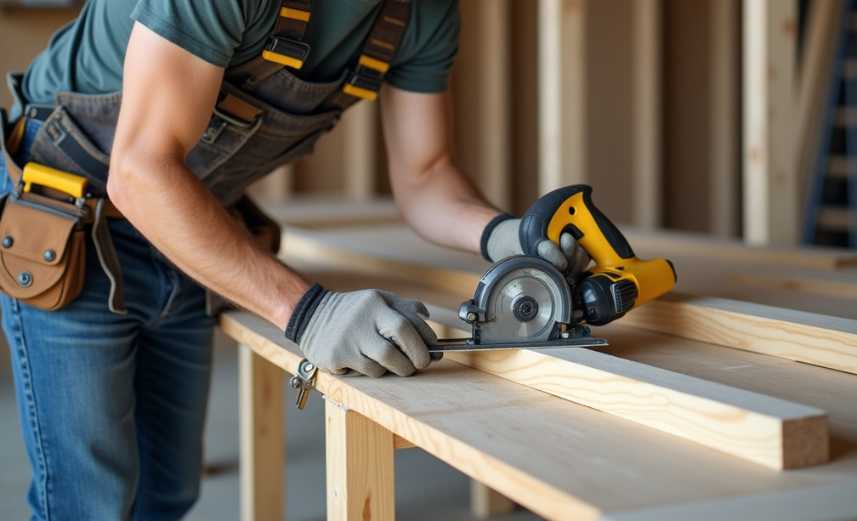
Need Carpenters For Your Job? Hire Best Local Carpenters in Your Area
Carpentry is one of the oldest and most essential building trades, forming the backbone of nearly every home, office, and commercial structure. At its core, professional carpentry involves cutting, shaping, fastening, and installing wood and wood-substitute materials to create, repair, or enhance structural and decorative elements. Unlike general handyman tasks, qualified carpenters bring specialized training in joinery, load distribution, material behavior, and precise measurement techniques that directly impact a project's durability and safety.
Homeowners often need carpentry services when their living spaces no longer function as they should. A kitchen renovation might call for custom cabinetry, while a growing family could require built-in shelving to maximize storage. Property managers regularly rely on commercial carpentry contractors to keep rental units code-compliant and visually appealing. Business owners seek custom carpentry experts when designing reception areas, retail displays, or restaurant interiors that must leave a lasting impression on customers. In each case, the work goes beyond simply fastening boards together—it demands an understanding of how wood expands and contracts with seasonal humidity changes, how weight transfers through framing members, and how finish details affect the overall aesthetic.
The difference between hiring an experienced woodwork contractor and attempting a DIY solution becomes obvious the moment you face an out-of-square corner, a load-bearing wall, or a material that costs too much to replace after a cutting mistake. Licensed carpenters know how to read blueprints, calculate load requirements, and select appropriate fasteners for each application. They understand building codes that protect your property investment and your family's safety. When working at heights on deck and pergola builds or handling heavy structural beams during framing, professionals carry insurance that shields you from liability. Ultimately, their work saves time, prevents costly material waste, and delivers results that maintain or increase property value.
What’s Included in Carpentry Services
Professional carpentry companies across the USA typically offer a comprehensive range of specialized services. Below are the core offerings you can expect when hiring trusted carpentry professionals:
- Custom Cabinetry and Joinery: Design, construction, and installation of kitchen cabinets, bathroom vanities, built-in wardrobes, and bespoke storage solutions tailored to exact room dimensions.
- Trim and Molding Installation: Crown molding, baseboards, chair rails, wainscoting, and decorative trim that add architectural character and hide gaps between walls and flooring.
- Door and Window Frame Installation: Precise fitting of interior and exterior doors, window casings, and frame repair to ensure smooth operation, energy efficiency, and weather sealing.
- Deck, Pergola, and Porch Construction: Outdoor living structure design and building, including ground-level decks, elevated decks with railings, freestanding pergolas, and screened porches.
- Built-In Shelving and Storage Solutions: Floor-to-ceiling bookcases, entertainment centers, closet organization systems, garage storage, and home office built-ins that maximize usable space.
- Staircase Construction and Remodeling: New staircase framing, tread and riser replacement, banister and baluster upgrades, and complete staircase redesigns that improve safety and visual flow.
- Interior Finish Carpentry: Wall paneling, coffered ceilings, fireplace mantels, window seats, and custom millwork that elevate interior design beyond standard drywall and paint.
- Rough Framing and Structural Carpentry: Wall framing, floor joist installation, roof truss assembly, and structural beam replacement for new construction, additions, and major renovations.
- Furniture Construction and Repair: Custom dining tables, bed frames, desks, and shelving units built to specific dimensions, plus restoration of damaged or aging wooden furniture pieces.
- Exterior Woodwork and Repair: Siding replacement, fascia and soffit repair, exterior trim installation, wooden fence construction, and wood rot remediation to protect your property envelope.
Your Future Carpenters Hero Is Just One Task Away — Let’s Find Them
When Should You Hire a Professional?
Recognizing the right moment to call a carpenter can prevent small issues from becoming expensive structural problems. Many homeowners attempt quick fixes only to discover underlying damage that required professional attention from the start. Here are clear indicators that it's time to reach out to skilled woodwork contractors.
Visible wood rot, warping, or splitting around window frames, door jambs, or exterior trim signals moisture infiltration that can spread into wall cavities and floor systems. What appears as peeling paint often hides decaying wood that compromises the structural integrity of the opening. Similarly, sagging floors, bouncing floor joists, or cracks appearing above doorways suggest framing issues that require immediate evaluation by a framing carpenter who understands load paths and structural reinforcement methods.
Sticking doors and windows that no longer open or close smoothly frequently indicate foundation settling or frame distortion rather than simple hinge problems. A finish carpentry specialist can determine whether the fix involves planing and realignment or more extensive structural intervention. For older properties, original woodwork such as staircases, banisters, and built-ins may show decades of wear through loose joints, cracked spindles, or wobbly handrails. These conditions create safety hazards that demand a staircase carpentry contractor familiar with traditional joinery techniques and current building codes.
Kitchen and bathroom remodels represent another clear trigger for professional involvement. Custom cabinetry and joinery services ensure that cabinet boxes, drawer slides, and door faces fit precisely within often irregular wall spaces. Attempting stock cabinet installation in an out-of-square room leads to awkward filler strips and wasted corner space. Professionals know how to scribe fillers, level base cabinets on uneven floors, and secure upper cabinets to wall studs for safe, lasting installations.
Any project requiring structural changes—removing walls, adding windows, vaulting ceilings, or building second-story additions—absolutely requires licensed carpenters who can calculate beam sizing, header requirements, and proper connections. These are not cosmetic decisions; they affect the safety of everyone under that roof. Commercial settings face even stricter regulations, making commercial carpentry contractors essential for code-compliant tenant improvements, egress compliance, and ADA accessibility modifications.
How Carpentry Services Typically Work
Understanding the standard process helps you prepare for a smooth project experience. While every professional carpentry company operates slightly differently, most follow a proven workflow designed to protect both parties and ensure clear expectations.
The first step usually involves an initial consultation, either by phone or through an online inquiry form. You'll describe your project scope, desired materials, timeline expectations, and any inspiration photos you've gathered. Based on this information, the contractor determines whether your project fits their expertise and current workload. If there's a good match, they schedule an on-site inspection and assessment. During this visit, the carpenter takes precise measurements, examines existing conditions like wall straightness and floor level, identifies potential obstacles such as plumbing lines or electrical outlets, and discusses material options with you in person. This is when real-world constraints meet your vision, and an experienced professional will explain what's achievable within your budget.
Following the site visit, you'll receive a detailed written estimate or proposal outlining the full scope of work, material specifications, hardware choices, finish options, project timeline, payment schedule, and any exclusions or assumptions. Do not confuse a rough verbal quote with a formal estimate. Reputable reliable carpentry companies put everything in writing. Once you approve the proposal and sign a contract, material ordering begins. For custom projects, this may involve visiting lumber yards or material showrooms together to hand-select boards, approve stain samples, or finalize hardware finishes.
The active work phase starts with site protection—covering floors, sealing off work areas to contain dust, and establishing a clean tool setup zone. Depending on the project, rough carpentry such as framing or subfloor installation happens first, followed by any necessary plumbing or electrical rough-in by licensed tradespeople, and then finish carpentry like trim installation, cabinet mounting, and final hardware attachment. Throughout the process, a professional crew maintains a clean worksite, properly disposes of debris, and provides progress updates. A final walkthrough allows you to inspect every detail, note any touch-up items, and sign off on completion.
Pricing Factors and Estimated Costs
Carpentry pricing varies considerably based on project type, material selections, site conditions, and regional labor markets. Understanding the cost landscape helps you budget realistically and compare bids on equal footing.
| Service Type | Typical Cost Range (USD) | Key Cost Drivers |
|---|---|---|
| Custom Cabinet Installation | $500 – $1,200 per linear foot | Wood species, door style, finish, soft-close hardware |
| Crown Molding Installation | $4 – $15 per linear foot | Molding profile complexity, ceiling height, paint/stain finish |
| Deck Construction | $15 – $35 per square foot | Material (pressure-treated, cedar, composite), height, railing style |
| Interior Door Installation | $150 – $500 per door | Pre-hung vs. slab, solid core vs. hollow, hardware quality |
| Built-In Shelving Unit | $1,500 – $5,000+ | Size, material grade, adjustable shelving, integrated lighting |
| Framing (New Construction) | $7 – $16 per square foot | Building height, roof complexity, lumber grade, seismic requirements |
| Staircase Remodel | $1,200 – $3,500+ | Stair count, tread material, baluster style, structural modifications |
| Furniture Repair/Restoration | $150 – $800 per piece | Damage extent, joinery complexity, finish matching difficulty |
Several factors influence your final cost beyond the basic project type. Material quality represents the largest variable—paint-grade poplar costs significantly less than clear walnut or white oak. Labor rates reflect the carpenter's experience level, with highly skilled finish carpentry specialists and custom woodworking services commanding premium rates justified by superior results. Project access and site conditions matter too. Working on a third-story exterior trim repair requires scaffolding or lift equipment that adds cost. Tight urban job sites with limited parking and material storage may incur logistics surcharges. Permits, when required for structural work, add fees and potential inspection delays. Rush jobs or work scheduled outside normal business hours typically carry premium pricing. Always request at least three detailed estimates and compare what's included rather than fixating on the bottom-line number alone.
Why Hiring a Professional Carpenter Is Worth It
The initial appeal of cutting costs through DIY or hiring the cheapest available labor quickly fades when you consider the full picture of what professional carpentry delivers. First, there's the matter of specialized knowledge. A finish carpentry specialist understands how wood moves seasonally—that a solid wood panel must float within a frame, that miter joints open if not properly reinforced, and that certain species accept stain evenly while others require conditioning. This knowledge prevents callbacks and premature failure.
Professional woodworkers invest in commercial-grade tools that produce results impossible to replicate with consumer equipment. Industrial table saws with precision fences, professional-grade miter saws, joiners, planers, domino joinery systems, and laser levels all contribute to joints that close tightly and surfaces that accept finish evenly. These tools represent tens of thousands of dollars in investment that only makes sense for those performing this work daily.
Licensed carpenters carry general liability insurance and workers' compensation coverage. If a ladder slips and damages your hardwood floor or a worker gets injured on your property, their insurance handles the claim rather than your homeowner's policy. Equally important, established professionals stand behind their workmanship. Many offer warranties ranging from one to five years on labor, giving you recourse if issues develop after project completion. The time savings alone often justify professional hiring. What takes a skilled crew two days might consume your weekends for two months, and the result still may not meet the quality standard you envisioned. When you factor in the long-term value—properly installed carpentry that lasts decades without warping, squeaking, or separating—the professional route frequently costs less over time than correcting a failed amateur attempt.
Your Future Carpenters Hero Is Just One Task Away — Let’s Find Them
Tips for Choosing the Right Service Provider
Licensing and Certifications
Verify that any carpenter bidding on structural or large-scale work holds appropriate state or local licensing where required. While finish carpentry and furniture building may fall under different regulations than general contracting, legitimate professionals carry business licenses and can provide license numbers for verification. Membership in trade organizations such as the National Association of the Remodeling Industry indicates a commitment to continuing education and ethical standards.
Experience With Similar Projects
Ask specifically about projects matching yours in scope and style. A deck and pergola builder who constructs outdoor structures daily brings different expertise than a cabinet carpenter focused on interior casework. Request a portfolio of completed projects and, when possible, references you can contact. Experienced professionals take pride in their work and maintain documentation of past achievements.
Customer Reviews and Ratings
Reading reviews provides insight into communication style, punctuality, cleanliness, and how the contractor handles unexpected issues. Look for patterns across multiple reviews rather than reacting to a single negative comment. Notice how the business responds to criticism—defensive reactions may signal future conflict, while professional, solution-oriented responses suggest accountability.
Response Time and Availability
Quality custom carpentry experts often maintain booked schedules weeks or months in advance. A contractor available to start tomorrow may not have a full pipeline for concerning reasons. During initial contact, note how quickly they respond to inquiries and how thoroughly they answer questions. Prompt, detailed communication typically reflects overall professionalism.
Upfront Estimates and Transparent Pricing
Insist on detailed written estimates that break down material allowances, labor, and any subcontractor costs. Vague line items like "miscellaneous materials" or round-number labor figures without hourly rate justification warrant further questioning. Transparent pricing enables fair comparison between bids and protects you from surprise charges mid-project.
Warranty or Satisfaction Guarantees
Discuss warranty terms before signing a contract. Understand what's covered, for how long, and what would void coverage. A one-year workmanship warranty is standard practice among reliable carpentry companies. Be wary of contractors who dodge this question or refuse to put warranty terms in writing.
Equipment, Materials, and Technology Used
During the estimate visit, observe what the contractor inspects and measures. Professionals use moisture meters to check wood conditions, levels to assess floor flatness, and stud finders to locate framing before mounting heavy items. A contractor who eyeballs measurements rather than using precise tools may deliver imprecise results.
Insurance Coverage and Business Credentials
Request current certificates of insurance for general liability and workers' compensation. Call the insurance provider to verify active coverage. Also confirm that the business has a physical address and established presence—fly-by-night operators working from unmarked vans present elevated risk with limited recourse if problems arise.
Common Problems Customers Face
- Unclear scope of work in contracts: Vague descriptions allow contractors to claim certain tasks were never included, leading to unexpected change orders. Always insist that contracts specify exact materials, finishes, hardware, and completion standards.
- Substituting cheaper materials without approval: Some contractors install lower-grade plywood, thinner molding profiles, or different wood species than discussed to increase their margin. Verify materials upon delivery before installation begins.
- Inadequate dust control during interior work: Cutting and sanding generate fine particulate that spreads throughout the home. Discuss containment measures such as plastic barriers and negative air pressure before work starts.
- Missed deadlines and poor communication: Contractors may juggle multiple projects simultaneously, leaving your job stalled for days. Establish clear milestone dates and communication expectations in the initial agreement.
- Incomplete cleanup after project completion: Construction debris, sawdust in ductwork, and stray fasteners present safety hazards and diminish the finished result. Confirm cleanup responsibilities and standards during contract negotiation.
- Permit complications with structural work: Failure to pull required permits for framing, stair modifications, or deck construction can halt projects and complicate future property sales. Verify permit responsibility before work begins.
- Rushed finish work that shows visible defects: Poorly filled nail holes, uneven stain absorption, gapped miter joints, and visible seam lines indicate corners cut to speed completion. Document concerns immediately and withhold final payment until resolved.
Service Maintenance and Prevention Tips
- Monitor indoor humidity levels year-round using a hygrometer. Wood responds to moisture fluctuations by expanding and contracting. Keeping relative humidity between 35% and 55% minimizes cracking, warping, and joint separation in finished carpentry.
- Inspect exterior woodwork seasonally for peeling paint, soft spots indicating rot, and caulk failure around windows and doors. Prompt repainting and recaulking prevent moisture penetration that leads to costly structural repairs.
- Clean finished wood surfaces with products appropriate for the specific coating rather than generic household cleaners. Avoid ammonia-based products on lacquered cabinetry and use microfiber cloths that trap dust without scratching.
- Tighten hardware on cabinets, doors, and built-ins annually. Hinges, drawer pulls, and knobs loosen with regular use, and catching this early prevents elongated screw holes that require more involved repair.
- Apply protective sealant to outdoor wood structures including decks, pergolas, and fences according to manufacturer recommendations, typically every one to three years depending on sun exposure and climate severity.
- Address squeaky floors or stairs immediately rather than accepting the noise as normal aging. Squeaks often indicate loose fasteners or subfloor movement that will worsen over time and become harder to quiet.
- Keep gutters clean and downspouts directed away from the foundation to protect exterior woodwork including siding, trim, and structural members from prolonged moisture exposure and splash-back damage.
Cost Guide
Find Carpenters in States
- Carpenters in Alabama
- Carpenters in Alaska
- Carpenters in Arizona
- Carpenters in Arkansas
- Carpenters in California
- Carpenters in Colorado
- Carpenters in Connecticut
- Carpenters in Delaware
- Carpenters in Florida
- Carpenters in Georgia
- Carpenters in Hawaii
- Carpenters in Idaho
- Carpenters in Illinois
- Carpenters in Indiana
- Carpenters in Iowa
- Carpenters in Kansas
- Carpenters in Kentucky
- Carpenters in Louisiana
- Carpenters in Maine
- Carpenters in Maryland
- Carpenters in Massachusetts
- Carpenters in Michigan
- Carpenters in Minnesota
- Carpenters in Mississippi
- Carpenters in Missouri
- Carpenters in Montana
- Carpenters in Nebraska
- Carpenters in Nevada
- Carpenters in New Hampshire
- Carpenters in New Jersey
- Carpenters in New Mexico
- Carpenters in New York
- Carpenters in North Carolina
- Carpenters in North Dakota
- Carpenters in Ohio
- Carpenters in Oklahoma
- Carpenters in Oregon
- Carpenters in Pennsylvania
- Carpenters in Rhode Island
- Carpenters in South Carolina
- Carpenters in South Dakota
- Carpenters in Tennessee
- Carpenters in Texas
- Carpenters in Utah
- Carpenters in Vermont
- Carpenters in Virginia
- Carpenters in Washington
- Carpenters in West Virginia
- Carpenters in Wisconsin
- Carpenters in Wyoming
Answers to Your Common Questions
You can hire a carpenter for framing, door installation, trim work, cabinetry, shelving, window repair, deck building, and custom woodwork — both structural and decorative.
Yes, you can post custom carpentry requests with measurements, design ideas, or sketches. Carpenters will provide tailored quotes based on the scope and materials needed.
Most carpenters bring their own tools but material handling varies. Some supply everything, while others prefer you purchase wood or hardware separately. Clarify this in the quote discussion.
Licensing varies by state and job type. While not all carpentry work requires a license, many professionals include certifications or experience in their profile. Ask before hiring if it’s important for your project.
If the task involves structural work, custom fitting, or precision joinery (like framing, custom cabinets, or decking), hire a carpenter. For minor repairs or furniture assembly, a handyman may be sufficient.