
Find Remediation in Your Area
- Remediation in Montgomery
- Remediation in Juneau
- Remediation in Phoenix
- Remediation in Little Rock
- Remediation in Sacramento
- Remediation in Denver
- Remediation in Hartford
- Remediation in Dover
- Remediation in Tallahassee
- Remediation in Atlanta
- Remediation in Honolulu
- Remediation in Boise
- Remediation in Springfield
- Remediation in Indianapolis
- Remediation in Des Moines
- Remediation in Topeka
- Remediation in Frankfort
- Remediation in Baton Rouge
- Remediation in Augusta
- Remediation in Annapolis
- Remediation in Boston
- Remediation in Lansing
- Remediation in Saint Paul
- Remediation in Jackson
- Remediation in Jefferson City
- Remediation in Helena
- Remediation in Lincoln
- Remediation in Carson City
- Remediation in Concord
- Remediation in Trenton
- Remediation in Santa Fe
- Remediation in Albany
- Remediation in Raleigh
- Remediation in Bismarck
- Remediation in Columbus
- Remediation in Oklahoma City
- Remediation in Salem
- Remediation in Harrisburg
- Remediation in Providence
- Remediation in Columbia
- Remediation in Pierre
- Remediation in Nashville
- Remediation in Austin
- Remediation in Salt Lake City
- Remediation in Montpelier
- Remediation in Richmond
- Remediation in Olympia
- Remediation in Charleston
- Remediation in Madison
- Remediation in Cheyenne
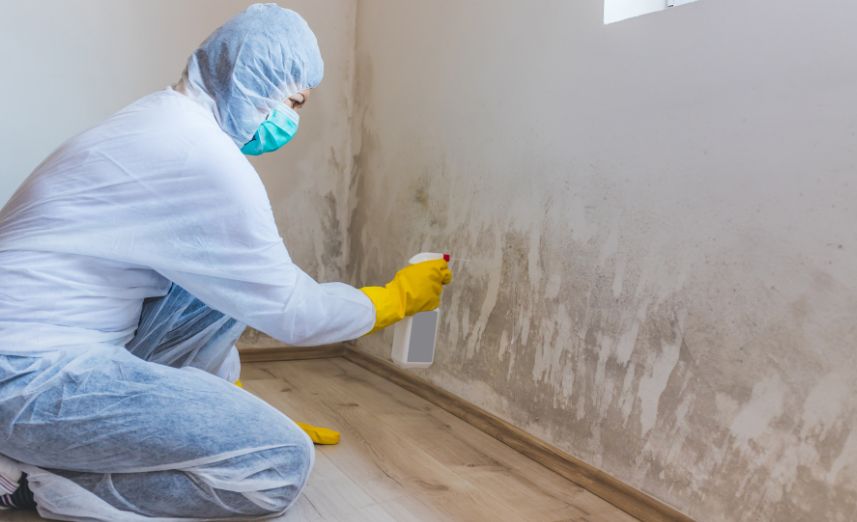
Hire Local Remediation Services For Your Home And Commercial Spaces
Remediation services focus on identifying, containing, and safely eliminating hazardous or harmful substances from a property to restore it to a safe, livable, or usable condition. Unlike standard renovation or repair work, remediation tackles the invisible dangers that can compromise structural integrity and human health. This includes threats like toxic mold colonies hidden behind drywall, friable asbestos fibers in old insulation, lead paint dust in a historic home, or biohazardous contamination from a sewage backup or unattended death. The goal is not just to clean a surface, but to solve the root cause of contamination and prevent its return, using scientifically validated protocols.
The need for professional remediation arises in a wide range of scenarios. A homeowner might discover black mold after a hidden plumbing leak, or a property manager could face the aftermath of a fire that has left carcinogenic soot and chemical residues throughout a multi-unit building. A business owner may need to safely remove asbestos floor tiles before a commercial renovation, while a renter could be entitled to a lead-safe unit. In an emergency, a family might need immediate flood damage remediation after a river overflows into their basement. Hiring trained experts is not a luxury in these cases—it is a critical necessity. These professionals protect your health by using personal protective equipment and containment barriers, ensure legal compliance with disposal regulations, and provide the peace of mind that comes from documented, verifiable clearance testing after the work is complete.
A Breakdown of Core Remediation Services
The field of remediation is broad, covering a variety of specialized threats. Each type of contamination requires distinct protocols, equipment, and training. Understanding what professional remediation contractors offer will help you quickly identify the exact support you need for your specific situation.
- Water Damage Remediation and Structural Drying: Extraction of standing water and the application of industrial-grade air movers and dehumidifiers to thoroughly dry a structure, preventing the onset of mold and rot.
- Mold Inspection and Remediation: Locating active mold growth, containing the affected area with negative air pressure, and physically removing contaminated porous materials like drywall and insulation, followed by HEPA vacuuming and antimicrobial treatment.
- Fire and Smoke Damage Cleanup: Comprehensive removal of acidic soot and corrosive smoke residues from all structural surfaces, contents, and HVAC systems, paired with thermal fogging or ozone treatments to neutralize persistent odors.
- Asbestos Abatement: Safe containment and removal of asbestos-containing materials (ACMs) like pipe insulation, popcorn ceilings, and floor tiles, strictly following federal and state regulations for proper wetting, handling, and disposal.
- Lead Paint Remediation: Using EPA-approved methods like encapsulation, enclosure, or wet scraping and HEPA sanding to eliminate lead-based paint hazards, particularly during renovations in pre-1978 homes or child-occupied facilities.
- Biohazard and Sewage Cleanup: Emergency response to grossly unsanitary environments involving blood, bodily fluids, infectious waste, or black water from sewage backups, using hospital-grade disinfectants and specialized protective gear.
- Odor Removal and Indoor Environmental Cleanup: For complex, embedded odors from smoke, pets, or decomposition, professionals deploy advanced oxidation technologies that go far beyond simple air freshening, chemically breaking down the odor source.
Is It Time to Call a Remediation Specialist?
Knowing when to call a professional remediation contractor instead of attempting a fix yourself can save your health and your property from far worse outcomes. A clear warning sign is any large-scale or long-standing water event. If you've had a plumbing leak festering inside a wall cavity for more than 48 hours, the risk of a mold infestation is extremely high, and opening that wall without containment can send millions of spores airborne, contaminating the rest of your home. Similarly, a post-fire cleanup is never a DIY job; the mixture of charred synthetics creates a toxic chemical cocktail that can be absorbed through the skin and lungs, requiring full-body protection and specialized cleaning agents to neutralize.
Other non-negotiable situations involve regulated hazardous materials. If your house was built before 1980, any renovation that disturbs more than a small patch of old flooring, drywall, or insulation should prompt an asbestos and lead survey first. Grinding or sanding these materials creates an invisible, respirable dust that causes severe, long-term illness. You should also seek professional help for recurring health symptoms that improve when you leave the property, as this is a classic sign of a hidden environmental contaminant. Finally, any contamination involving raw sewage is a class of emergency. The bacteria, viruses, and parasites in black water present an immediate and severe health hazard that requires a rapid, professional response to prevent spreading illness throughout the property.
Your Future Remediation Hero Is Just One Task Away — Let’s Find Them
How a Remediation Project Unfolds Step by Step
A professional remediation project follows a strict, phased approach that prioritizes safety and scientific validation over simple aesthetics. The process is designed to address the source of the problem, contain the hazard, remove it, and then prove the environment is clean, leaving no doubt about the restoration of a safe indoor space.
The engagement starts with a thorough on-site inspection and testing. A certified professional will use tools like moisture meters, thermal imaging cameras, air sampling pumps, and physical samples to map the full extent of the contamination, which often lies hidden behind surfaces. Based on this assessment, they create a detailed, site-specific work plan and a written estimate. The second phase is engineering controls and containment. The crew will cordon off the affected work zone with heavy-gauge polyethylene sheeting, erect zippered entry chambers, and place powerful air scrubbers under negative air pressure. This creates a vacuum effect that ensures no contaminated air escapes during the removal process. This step is what separates true remediation from a simple cleaning crew.
With the containment in place, the physical removal begins. Technicians wearing full-face respirators and protective suits will surgically cut out and bag compromised materials like moldy drywall or asbestos-laced insulation. Surfaces are then wire-brushed, HEPA-vacuumed, and treated with EPA-registered antimicrobial chemicals or encapsulants. The final stage is post-remediation verification and cleanup. The containment stays up while the air is scrubbed and allowed to settle. An independent third-party environmental consultant, or the contractor themselves, performs a final visual inspection and clearance air sampling to certify that contaminant levels are back to normal background levels. Only then are the barriers removed, followed by a thorough final cleaning, leaving behind a safe, ready-to-rebuild space.
Understanding the Cost of Remediation
The cost of hiring a remediation service is highly variable, driven by the type of contaminant, the scale of the damage, and the complexity of the containment required. While simple, small-scale projects can be surprisingly affordable, major hazardous material abatement or extensive structural contamination represents a significant but essential investment in your property's safety and value. These estimates are provided to give a general sense of the market and should not be taken as a fixed quote.
| Remediation Type | Average Estimated Cost Range (USD) |
|---|---|
| Mold Remediation (small crawl space) | $800 – $2,500 |
| Mold Remediation (full basement, extensive) | $6,000 – $15,000+ |
| Water Damage Dry-Out and Cleanup | $2,500 – $7,000 |
| Asbestos Abatement (popcorn ceiling, per sq ft) | $5 – $9 per square foot |
| Sewage Cleanup and Sanitization | $3,000 – $10,000 |
| Lead Paint Stabilization/Abatement | $8 – $17 per square foot |
The primary cost drivers are the type of containment needed, the square footage of the affected area, and the accessibility of the contaminated material. A mold job in a tight crawl space is more labor-intensive and dangerous, thus more expensive, than an open basement. Projects requiring full negative-air containment, decontamination chambers, and the disposal of hazardous waste will always form the higher end of the budget. The urgency of the situation also plays a role; emergency calls for immediate flood or sewage response will carry a premium. Disposal fees for regulated hazardous materials like asbestos and lead are another significant line item. Prices will naturally vary by state and city, reflecting local labor rates, permitting costs, and the competitive landscape.
Your Future Remediation Hero Is Just One Task Away — Let’s Find Them
The Unmatched Value of a Professional Approach
Attempting to cut costs with a handyman, a general cleaner, or a DIY approach to remediation is a gamble that often leads to greater financial loss and serious health consequences. The core value a licensed professional brings is a documented, defensible, and scientifically sound process. This creates a clear chain of custody and a paper trail that is critical for real estate disclosures, satisfying insurance claim adjusters, and protecting yourself from future liability. If you sell a home and fail to properly disclose a past mold issue you "cleaned" yourself, you are exposed; a professional's receipt and clearance report provide a legal shield.
Safety and efficacy are the other pillars of value. Professionals wear fitted respirators, not paper masks, and they know that the danger lies as much in the microscopic airborne particles as in the visible gunk. They use commercial air scrubbers capable of filtering particles down to 0.3 microns, something no rental shop machine can match. Their work prevents cross-contamination, ensuring a mold problem in one bathroom doesn't become a mold problem in your entire HVAC system. The long-term savings are realized by avoiding a failed job, which would require you to pay for the professional to re-do the work correctly and replace the contaminated materials all over again, potentially doubling the initial project cost.
A Smart Guide to Vetting Remediation Contractors
Choosing a remediation company requires a more rigorous screening process than hiring for a typical home service. The stakes for your health and property are simply too high to go with the cheapest or fastest option. You need to verify technical competence, legal compliance, and a transparent process that instills confidence from the first inspection to the final clearance.
Licensing and Certifications
Look for specific, relevant certifications, not just a general business license. For mold, inquire about IICRC (Institute of Inspection, Cleaning and Restoration Certification) in Applied Microbial Remediation. For asbestos and lead, state-level abatement licenses and EPA accreditation are a legal requirement, confirming the firm has trained, certified supervisors and workers.
Experience With Similar Projects
Remediation is a specialty, and a water damage company isn't automatically qualified for asbestos abatement. Ask the firm directly if they have handled your specific type of contamination, at the scale you are facing. A qualified contractor will readily explain their past projects and how they managed the unique containment challenges of your scenario.
Upfront Estimates and Transparent Pricing
A trustworthy professional bases their estimate on a detailed, in-person inspection and a written work plan. The contract should separate line items for inspection/testing, containment setup, material removal, disposal, and post-remediation verification. Be extremely suspicious of a low-ball quote given over the phone that doesn't include a final clearance test.
Insurance Coverage and Business Credentials
This is a non-negotiable verification point. Request a current certificate of insurance for both general liability and pollution liability, also known as environmental or mold-specific insurance. A standard general liability policy often excludes damage related to pollutants like mold and lead, and you need to be certain their coverage applies to the work they are performing.
Post-Remediation Verification Protocol
Ask specifically what "done" looks like. A reputable firm will define success by a clean clearance test result, not just a visual once-over. To ensure objectivity, the most ethical contractors will recommend that a different, independent industrial hygienist or indoor environmental professional perform the final air sampling, creating a conflict-free verification process.
Common Problems Customers Face
Navigating a remediation crisis is stressful, and unfortunately, mistakes and bad actors can make the process even more painful. Being aware of the most common industry pitfalls will help you spot red flags early and protect your investment in a true, safe restoration of your environment.
- Ignoring the Moisture Source: The most fundamental error is removing the mold but not fixing the leaking roof, broken pipe, or groundwater intrusion that caused it. A professional always addresses the source first, ensuring the remediation is a permanent fix, not a temporary cosmetic cover-up.
- Inadequate Containment and Cross-Contamination: A contractor who starts demolishing moldy drywall without properly sealing off the room with negative air pressure will contaminate the entire house, making the problem exponentially worse and more expensive to fix properly.
- No Third-Party Clearance Testing: Beware the company that declares the job done based on the site "looking clean" or using their own tester to pass the air sample. This is a conflict of interest. True verification requires an independent, post-remediation inspection to confirm the space is safe.
- Scare Tactics and Gross Overstatements: Some companies use fear to upsell unnecessarily invasive work. A small, contained patch of mold on a bathroom wall does not require a full-house Hazmat tent. Get a second opinion if the proposed scope and cost seem dramatically disproportionate to the visible damage.
- Unlicensed Asbestos and Lead Work: A general contractor might offer to rip out your old floor tiles for a low price, neglecting the legal and safe handling of asbestos. This exposes you to massive liability for improper disposal and creates a serious health hazard in your own home.
Prevention Tips After Remediation Is Complete
Once your property has been professionally remediated and given a clean bill of health, a few simple, consistent habits are your best defense against a recurrence. The goal is to manage moisture and maintain a clean indoor environment, breaking the chain of events that allows hazardous conditions to return.
- Become Obsessive About Moisture Control: The universal fuel for mold and rot is water. Maintain indoor humidity between 30% and 50% using a dehumidifier in damp basements. Immediately and thoroughly dry any water spill or leak within 24 to 48 hours. A simple $20 hygrometer placed in your living space is a powerful prevention tool.
- Conduct a Quarterly "Sniff and Sight" Inspection: Walk through the remediated area and all high-risk zones like attics, crawl spaces, and under sinks. You're looking for a musty, earthy smell or any discoloration on walls, ceilings, and floorboards—signs that moisture has returned and a problem is brewing again.
- Change HVAC Filters and Maintain Gutters: A simple yet crucial defense is using a pleated, high-quality HVAC air filter (MERV 11-13) and replacing it on schedule to trap airborne spores. Outside, keep your gutters clean and downspouts extended well away from the foundation to stop basement water intrusion before it starts.
- Document Your Remediation File: Keep the pre- and post-remediation photos, contracts, and, most importantly, the final clearance testing report in a permanent file. This documented proof of professional restoration is a valuable asset for future real estate transactions, homeowner's insurance claims, and your own peace of mind.
Related Categories for Remediation
Find Remediation in States
- Remediation in Alabama
- Remediation in Alaska
- Remediation in Arizona
- Remediation in Arkansas
- Remediation in California
- Remediation in Colorado
- Remediation in Connecticut
- Remediation in Delaware
- Remediation in Florida
- Remediation in Georgia
- Remediation in Hawaii
- Remediation in Idaho
- Remediation in Illinois
- Remediation in Indiana
- Remediation in Iowa
- Remediation in Kansas
- Remediation in Kentucky
- Remediation in Louisiana
- Remediation in Maine
- Remediation in Maryland
- Remediation in Massachusetts
- Remediation in Michigan
- Remediation in Minnesota
- Remediation in Mississippi
- Remediation in Missouri
- Remediation in Montana
- Remediation in Nebraska
- Remediation in Nevada
- Remediation in New Hampshire
- Remediation in New Jersey
- Remediation in New Mexico
- Remediation in New York
- Remediation in North Carolina
- Remediation in North Dakota
- Remediation in Ohio
- Remediation in Oklahoma
- Remediation in Oregon
- Remediation in Pennsylvania
- Remediation in Rhode Island
- Remediation in South Carolina
- Remediation in South Dakota
- Remediation in Tennessee
- Remediation in Texas
- Remediation in Utah
- Remediation in Vermont
- Remediation in Virginia
- Remediation in Washington
- Remediation in West Virginia
- Remediation in Wisconsin
- Remediation in Wyoming
Answers to Your Common Questions
Remediation services include the removal and cleanup of hazardous materials such as mold, asbestos, lead, sewage, fire/smoke damage, and environmental contaminants to restore safe living or working conditions.
You should hire a specialist if your property has suffered water damage, mold infestation, fire/smoke damage, or if harmful substances like lead paint or asbestos are suspected. Prompt action prevents further damage and health risks.
In many cases, yes—especially if the damage was sudden and accidental, like a burst pipe or fire. Coverage depends on your policy and the cause of the damage. Professionals can help with insurance documentation.
Costs vary widely depending on the type and extent of contamination. Mold remediation may range from $500 to $6,000+, while asbestos or fire damage cleanup could be higher depending on severity and square footage.